
The constants and variables in the political dynamics of West Asia
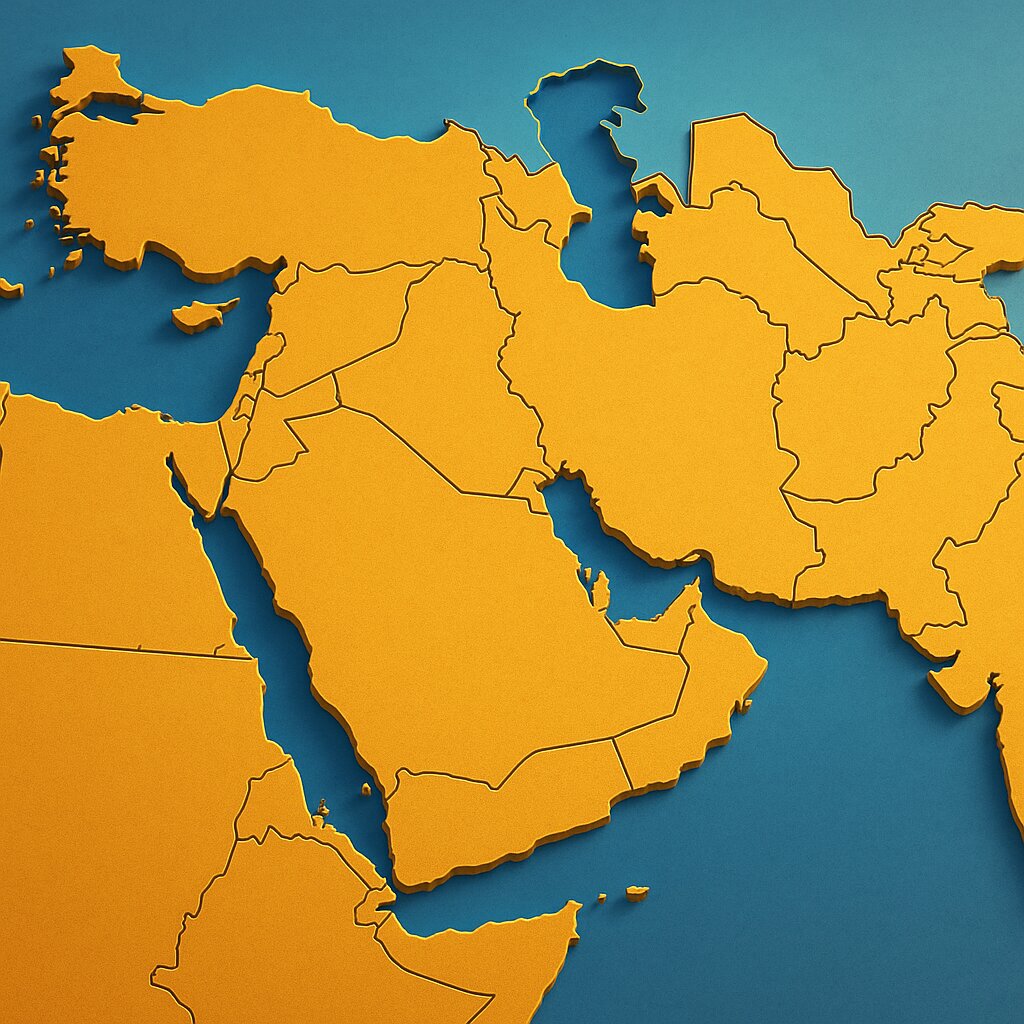
LONDON — The policy of the West Asia region is drawn based on political dynamics. These are either constants that are not subject to change or variables. This is especially with regard to the political situation in Lebanon and Syria, and the regional or international sponsorship of political directions.
The first constant is a primary hostility between Iran and the Israeli occupation entity, where it is not possible to reach a settlement between the two sides. The second constant is the Turkish-Israeli competition over influence in Syria, regulated so that it does not reach an armed conflict. The third constant is that the final decision on Syria’s future rests with Turkey. The fourth constant is the project of the New Middle East and "Greater Israel" that has ended with no return, because it failed on every front.
As for the variables, they are based firstly on the state of hostility between America and Iran, which can result in the administration of the Strait of Hormuz belonging to Iran. The second variable is that if this matter is accomplished, Iran and its allies will be recognized, and their presence will be considered legitimate. This includes the Lebanese resistance movement Hezbollah, Yemen’s Ansarullah, and likewise the balancing of the situation in Iraq.
The third variable is that the Turkish-Israeli conflict over Syria has not yet reached a final result. The fourth variable is between the Turkish-Syrian role and the Saudi role in Lebanon, with boundaries that have not yet become clear. The fifth variable is the scope of the Israeli-Turkish conflict over Syrian territory and Lebanon, which has yet to become clear, as the Trump administration has not yet reached a final decision on the matter.
As a result of these constants and variables, we can draw the first conclusion: the relationship between the Lebanese resistance movement and Syria’s Al-Sharaa is largely governed by the Iranian-Turkish relationship. Turkey considers its national security to begin in Beirut and views the Lebanese resistance movement’s existence as a factor that keeps the Israeli occupation entity preoccupied. It therefore sees the movement as a barrier to Israeli expansion and, on this basis, seeks to protect its own interests and national security. Accordingly, it can be concluded that there will be no Syrian military intervention in Lebanon against the Lebanese resistance.
Secondly, in the Israeli-Lebanese relationship, America will pass whatever is agreed upon by the Islamabad Memorandum of Understanding, through the framework agreement between the Israeli occupation entity and Lebanon. The small table joins the big table as the Islamabad Understanding is much bigger than the framework agreement.
It is now suspended, but when it is implemented, America will impose on the Israeli occupation entity withdrawal from all of Lebanon regardless of the course of the framework agreement. However, America will seek to pass it through the framework agreement. Therefore, the Israeli presence in Lebanon is heading toward contraction.
Thirdly, there will likely be Turkish-Saudi competition in Lebanese internal affairs. Generally, decision-making in Beirut is largely influenced by Saudi Arabia; in the north, particularly Tripoli and Akkar, it is shaped by Turkish-Syrian interests; and in the south, the Lebanese resistance movement holds the decisive influence.
Fourth, following a possible implementation of the Islamabad Agreement, the Lebanese resistance movement will play an important role in Lebanon’s internal affairs at the official level.
Fifth, the Israeli occupation entity will contract to the boundaries of historic Palestine of 1948, and America will force it to withdraw from Syria. Otherwise, a resistance movement is expected to form in Syria in the face of the Israeli occupation.
Sixth, Iran's control over the Strait of Hormuz will impose all these equations.
Seventh, the Iran will become an urgent necessity for the Persian Gulf states and for all countries whose economies are affected by the Strait of Hormuz.
Eighth, the coming phase is the phase of recognition of Iranian influence in the region, and it is an Iranian phase par excellence.


Комментариев нет:
Отправить комментарий